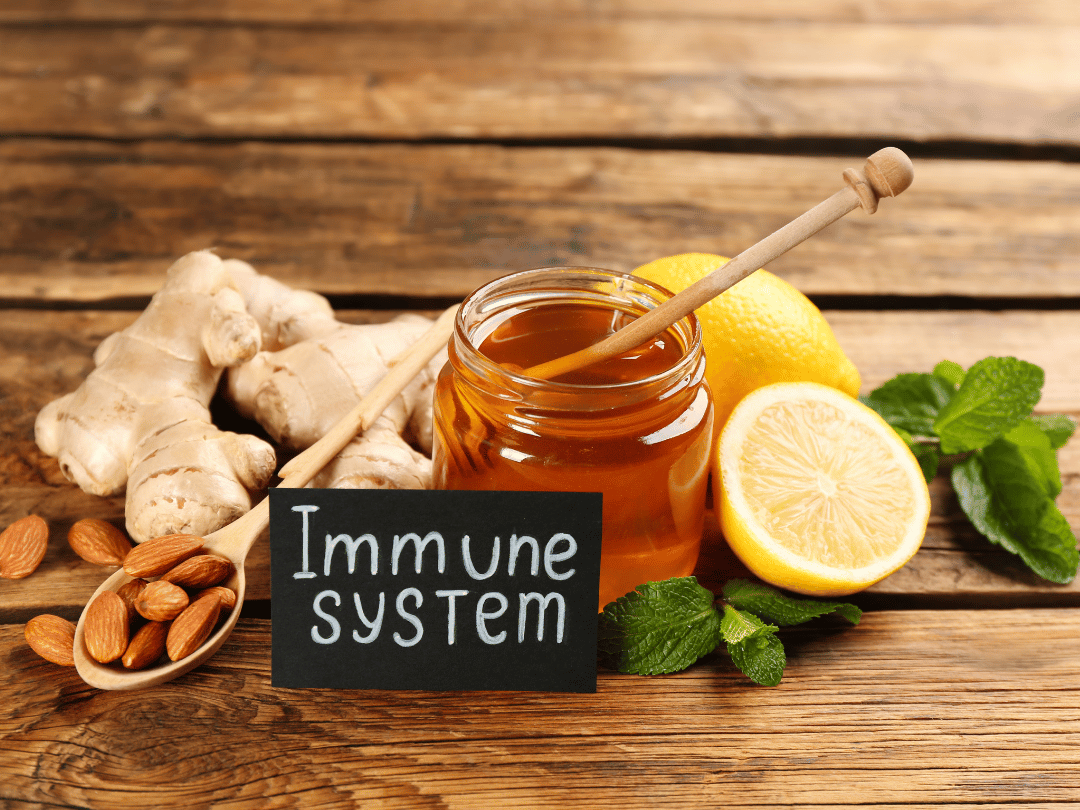
Who should try the FODMAP diet?
By Brigitta Jansen MS CNS CHC
Digestive discomfort is incredibly common, and for many people, symptoms like bloating, gas, abdominal pain, diarrhea, and constipation can interfere with daily life. If you’ve been struggling with these issues—especially if you’ve been diagnosed with Irritable Bowel Syndrome (IBS), Small Intestinal Bacterial Overgrowth (SIBO), or chronic functional digestive symptoms—you may have heard about the Low FODMAP Diet.
What are FODMAPs
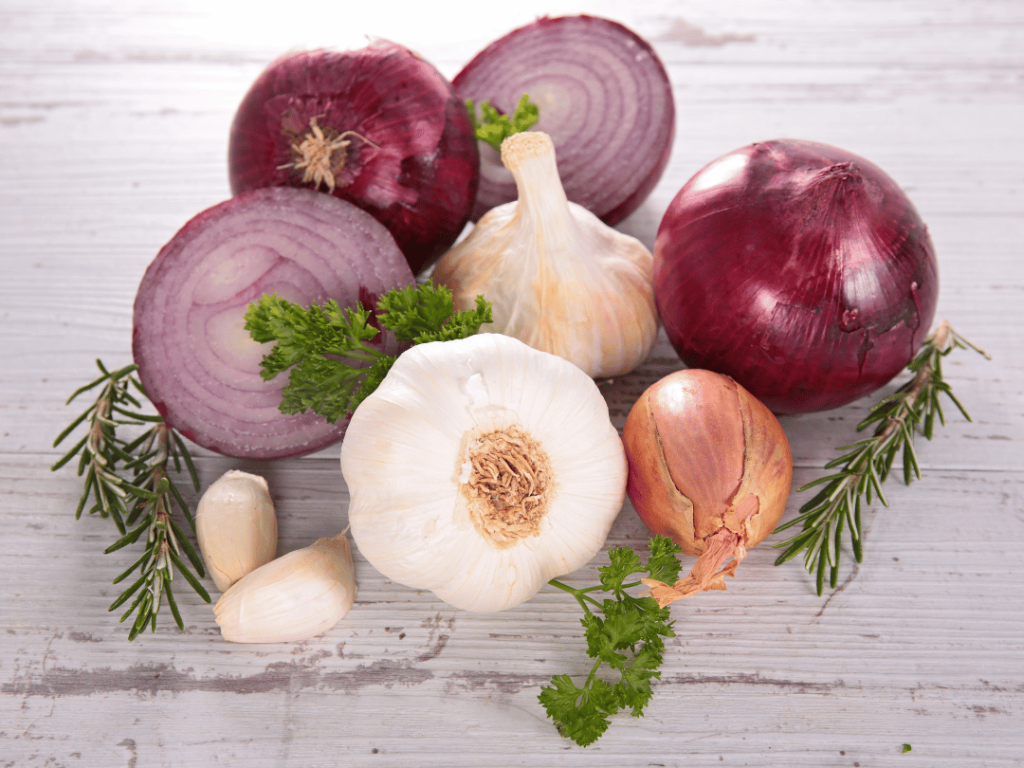
FODMAPs are a group of carbohydrates that some people have trouble digesting: Fermentable Oligosaccharides, Disaccharides, Monosaccharides And Polyols. These are short-chain carbs and sugar alcohols that can pull water into the gut and are easily fermented by gut bacteria — which can lead to bloating, gas, pain, diarrhea, constipation, and other IBS-type symptoms. When eating low-FODMAP, keep in mind that you may still react to low FODMAP foods if you have food sensitivities. Garlic and onions are high in FODMAPs, if you know these give you symptoms, the FODMAP diet may be a good fit for you. Keep in mind that within the allowed foods you still want to balance proteins and carbs to avoid blood sugar spikes.
Food Sensitivity Testing
Like with any one-size-fits-all elimination diet, you may have be reacting to some foods that are allowed on FODMAP, or you may be eliminating some high-FODMAP foods unnecessarily. Only food sensitivity testing will reveal your individual intolerances. Having said that, testing is not always available, and the FODMAP diet is certainly worth a try if you have persistent digestive discomfort and have already tried going gluten and dairy free but are still experiencing symptoms.
Heal your Gut
Elimination diets are meant to be temporary, not for the rest of your life. Microbes are involved in creating food sensitivities, so shifting your microbiome is key. As with any elimination diet, reset your gut microbiome and heal your gut wall while you do the elimination, or your symptoms will likely return when you re-eintroduce foods. You also want to make sure you – and not your microbes – are digesting your food. Anything you can’t digest, they will digest for you – and produce gas and potentially toxic metabolites while they do it. Address any issues like low stomach acid or low enzyme production and slow peristalsis. Heal leaky gut and detox. You should then be able to tolerate most of your reactive foods again.
Here is a breakdown of that is allowed and excluded on the FODMAP diet:
Allowed Foods Low in FODMAPs
Vegetables: Carrots, Bell peppers, Zucchini, Cucumbers, Tomatoes, Lettuce, Spinach, Green beans, Eggplant, Bok choy, Chives, Arugula
Fruits: Strawberries, Blueberries, Grapes, Kiwi, Pineapple, Oranges, Clementines, Raspberries
Grains & Starches: Rice (all types), Oats, Quinoa, Corn, Polenta, Rice cakes, Gluten-free bread, pasta & crackers
Protein: Chicken, Turkey, Beef, Pork, Lamb, Fish, Shellfish, Eggs, Tempeh
Dairy: (avoid if symptoms are severe) Lactose-free milk/yogurt/cottage cheese, Hard cheeses (cheddar, Swiss, parmesan), Brie, Camembert, Butter, Ghee
Nuts & Seeds: Walnuts, Pecans, Macadamias, Brazil nuts, Almonds (≤10), Pine nuts, Pumpkin , Chia, Flax, Sunflower seeds
Sweeteners: Sugar, Brown sugar, Maple syrup, Glucose, Rice malt syrup, Stevia, Monk Fruit
Drinks: Water, Sparkling water, Coffee (with LF milk), Tea, Herbal teas, Electrolytes (no polyols), Wine (small serving), Vodka, Gin, Whiskey
Seasonings: Garlic-infused oil, Onion-infused oil, Vinegars, Soy sauce, Tamari, Mustard, Mayonnaise, Simple broths without onion/garlic
High FODMAP Foods to Avoid
Vegetables: Onions (all forms), Garlic (all forms), Cauliflower, Mushrooms, Asparagus, Artichokes, Snow/sugar snap peas, Leeks (white part), Large portions of broccoli, cabbage, Brussels sprouts
Fruits: Apples, Pears, Mango, Watermelon, Cherries, Peaches, Plums, Nectarines, Blackberries, Apricots, Dried fruit, Avocado (>⅛ fruit)
Grains: Wheat bread/pasta/tortillas, crackers, Rye, Barley, Wheat cereals, Crackers with wheat flour
Dairy: (High-Lactose) Milk (cow/goat/sheep), Regular yogurt, Soft cheeses, Ice cream, Custard, Sour cream
Legumes: Lentils (cooked from dry), Chickpeas (cooked from dry), Black beans, Kidney beans, Pinto beans, Baked beans, Soybeans, Edamame (large servings)
Nuts: Cashews, Pistachios
Sweeteners: Honey, Agave, High-fructose corn syrup, Sorbitol, Mannitol, Xylitol, Maltitol, Isomalt, ”Sugar-free” products with polyols
Drinks: Apple/pear/mango juice, Rum, Sweetened coffees, Kombucha (large servings) Coconut water (large servings)
Seasonings: Chicory root, Inulin, Seasoning mixes with onion/garlic, Pasta sauces & marinades with sweeteners, Broths with onion/garlic, Protein bars with inulin