
How a Healthy Gut Microbiome Protects you from Infections
By Brigitta Jansen MS CNS CHC – InnerFire Nutrition
How do you stay healthy during sneeze-and-cough season? Exposure to people with respiratory infections is almost unavoidable, unless you are a hermit. And even the most efficient germaphobes get sick, and sometimes more so.
While it microbes seems to be getting the upper hand in the winter months, there is in fact plenty you can do to be a bad host and keep them at bay. A strong immune system is your best bet to lower risk of all kinds of infections, or have milder symptoms if you are exposed. And it begins in the gut.
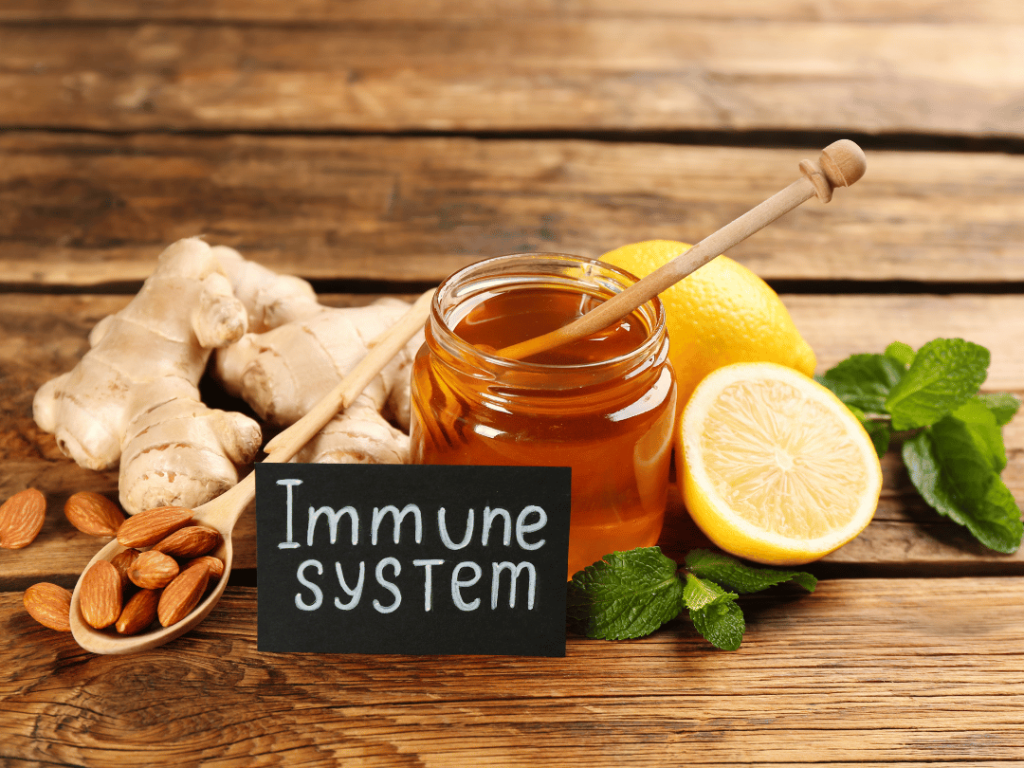
How gut health affects your resistance to infections
What determines if you have a mild or severe case if you get a respiratory or other infection? Most people would agree that the strength of your immune system is the main factor. However, gut health also plays a big role. Of course, immune defenses and gut health are inextricably linked.
Your gut is home to most of your immune system
Anyone who knows my work will know that I focus on gut health as fundamental to health in general. Since 70% of your immune defenses reside in the gut, a healthy gut flora is essential to avoiding frequent infections. Inflammation in the gut (and so-called leaky gut) will predispose you to all kinds of infections.
A healthy gut flora produces natural antibiotics that keep the bad guys in check and regulate the immune system. Your “good” microbes fight to keep you healthy.
For example, This study (in mice) showed that commensal microbes — from both the gut and upper airway — help protect against lung infections by major pathogens (Streptococcus pneumoniae and Klebsiella pneumoniae). [1]
Beneficial microbes strengthen the gut barrier
Your gut lining acts like a security fence that keeps harmful microbes out of your bloodstream.
Healthy bacteria help:
- reinforce the tight junctions between cells
- produce short-chain fatty acids (SCFAs) that fortify the gut wall
- reduce inflammation
If the barrier is strong, pathogenic microbes have a harder time entering your body and causing infection.
Antiviral and antimicrobial compounds
Some beneficial bacteria produce natural substances—like lactic acid and bacteriocins—that inhibit harmful microbes. Others help stimulate the production of interferons, your body’s built-in antiviral proteins. This means a healthy microbiome can directly interfere with the ability of pathogens to multiply. Yes, you can “catch” a bug and not get sick.
Healthy IgA levels
Immunoglobulin A is an antibody that lines mucus membranes such as in the gut and lungs. It plays a crucial role in protecting the respiratory tract from infections by acting as a first line of defense at the mucosal barrier. IgA prevents pathogens from binding to and entering the body by trapping them in mucus, neutralizing them, and promoting their clearance from the airways. Chronic inflammation can deplete IgA and make you much more susceptible to respiratory and digestive infections.
The presence of diverse microbes stimulates IgA production, while metabolites from these microbes, like short-chain fatty acids (SCFAs), directly boost IgA synthesis. In turn, IgA shapes the microbiome by binding to and controlling the composition of bacteria, helping to maintain a healthy gut environment and preventing pathogens from colonizing. [2,3]
Your microbiome helps regulate inflammation
Chronic low-grade inflammation weakens the immune system over time and ties up your immune resources. Your immune system can get overwhelmed fighting too many things at once.
A healthy gut microbiome helps keep inflammation in check so your body can react swiftly and effectively and won’t allow opportunistic microbes to multiply and take over.
Your microbiome support nutrient absorption
Minerals
A healthy microbiome supports better absorption of vitamins and minerals to support your immune system. A healthy gut will absorb a lot more iron and zinc, both essential for the immune system, whereas gut inflammation lowers mineral absorption.
Vitamin K2
Vitamin K2 is essential for natural killer cells, a type of white blood cell that destroys infected cells. A healthy microbiome will produce vitamin K2 for you on a daily basis.
Vitamin D
Vitamin D is depleted by gut inflammation, even with adequate intake. Higher vitamin D levels promote a more robust gut barrier and support the growth of beneficial bacteria such as Bifidobacteria and Akkermansia, while gut dysbiosis (microbial imbalance) is linked to lower vitamin D levels. Chronic inflammation leads to lower vitamin D levels, both through lowered absorption and increased demand for vitamin D by the immune system to fight said inflammation. People with gut inflammation tend to test low in iron and vitamin D even with adequate intake.
Vitamin A
Vitamin A is an important vitamin for immune function. It supports the function of white blood cells, which are part of the body’s immediate defense system. Vitamin A also enhances the antibody response and improves the body’s ability to mount a specific, targeted immune response to pathogens.
The gut microbiome and vitamin A absorption are intricately linked, with the microbiome influencing vitamin A’s conversion, transport, and function in the body. The gut microbiota can convert vitamin A into its active form, retinoic acid, and also helps move it to immune cells. Conversely, vitamin A is crucial for regulating the gut microbiome and maintaining a healthy immune system. [4]
Gut bacteria, such as L. intestinalis help convert dietary vitamin A into active forms like retinoic acid. And the gut microbiome aids transport of vitamin A across the intestinal wall.
Infections will deplete vitamin A, so keeping good levels is key to a healthy immune system.
In summary:
A healthy gut microbiome keeps colds at bay by strengthening the gut barrier, supporting immune communication, producing antiviral compounds, regulating inflammation, and even boosting respiratory defenses. It is your best ally in keeping you healthy and well nourished.
- https://pubmed.ncbi.nlm.nih.gov/29142211/
- https://www.tandfonline.com/doi/full/10.1080/19490976.2021.1908101
- https://pmc.ncbi.nlm.nih.gov/articles/PMC8974816/
- https://www.biorxiv.org/content/10.1101/2025.09.08.674524v1.full
Disclaimer:
This information is for educational purposes only and is not a substitute for professional medical advice, diagnosis, or treatment. Always consult your doctor before starting any new health regimen. Remember you are responsible for your health decisions and outcomes.