What is an Anti-inflammatory Diet?
By Brigitta Jansen MS CNS CHC
All chronic conditions have one thing in common: inflammation. If you have any digestive disorders, the source of inflammation is your gut. If you have a metabolic condition like cardiovascular disease, your blood vessels are inflamed. With asthma, your lungs are inflamed. With arthritis, your joints are inflamed. And so on. Therefore calming inflammation is key to improving your symptoms.
Inflammation is the common denominator that leads to an overactive and at the same time weakened immune system. Inflammation makes your blood stickier, depletes your body and brain of precious nutrients, and causes pain. It is also a major cause of weight gain or unability to lose weight. Many people I work with do not overeat calories, but still were unable to lose weight before coming to see me.
What can you do?
The answer is an anti-inflammatory diet while healing and rebalancing digestion and gut flora.
Sugar, white flours and certain vegetable oils are always highly inflammatory, but sometimes perfectly healthy foods can cause inflammation for certain individuals. Therefore, a healthy diet is not a one-size-fits-all. With functional medicine testing we can identify inflammatory foods and design a customized diet plan. And personalized supplementation can be very helpful for healing the gut, the root of inflammation. Once the gut is healed, previously inflammatory foods may no longer cause inflammation. While everyone is different, here are some general principles of anti-inflammatory diets:
Anti-inflammatory Diet Basics
- Avoid sugar and artificial sweeteners, and use honey, stevia or maple syrup instead in moderation. Also avoid white flours and refined starches.
- Avoid highly processed oils such as corn, soy or canola. Choose healthy fats like olive, avocado, sunflower or coconut oils and grass-fed butter (yes, you read that right) instead.
- A lot of people benefit from avoiding gluten found in wheat, although sometimes other grains, as well as corn, soy or dairy can also cause inflammation.
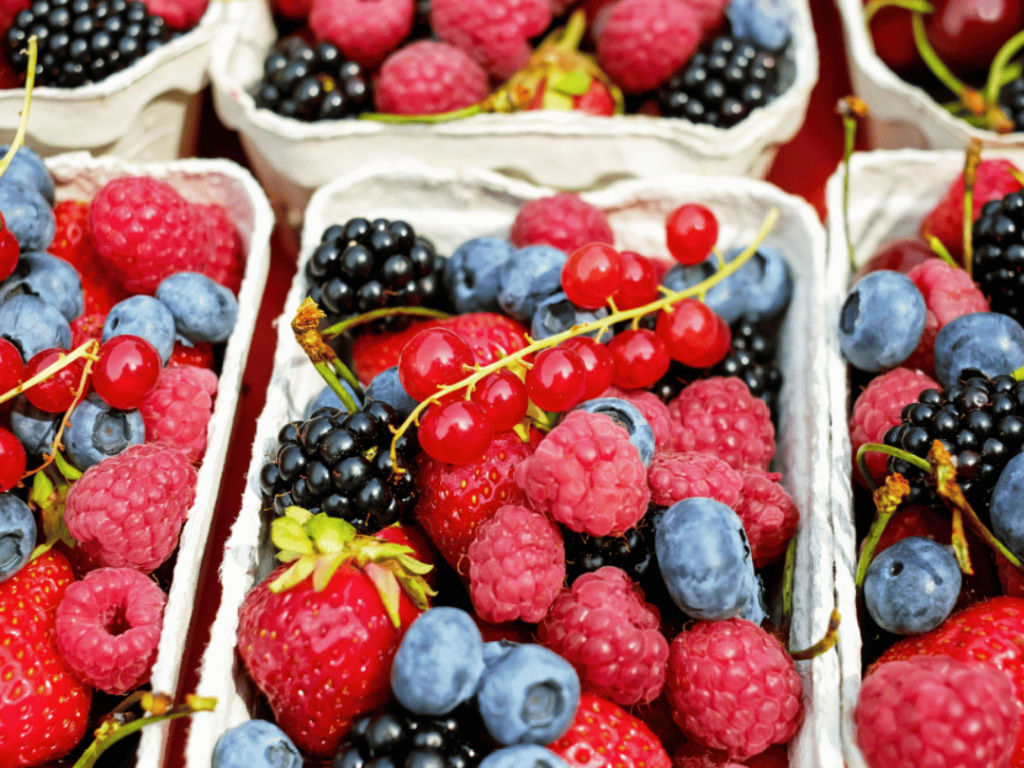
- Vegetables, grass-fed meats and wild fish tend to be the least inflammatory foods. Eat lots of fresh vegetables, berries and fish and make use of your local farmer’s market at this bountiful time of year.
- Balance Blood Sugar! High blood sugar disables function of some white blood cells and feeds inflammation. Keep your blood sugar low by always adding protein and healthy fats to every meal and snack.
I have seen year-long joint pain go away and blood pressure normalize in just a few weeks on an anti-inflammatory diet. The power of nutrition still amazes me, though sometimes targeted supplements are helpful for a time to correct an imbalance that would take much longer with fix with food alone.
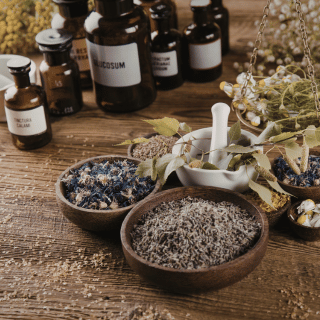
In addition, there are many herbs and spices with strong anti-inflammatory properties, that you can incorporate into your cooking or take in supplement form.
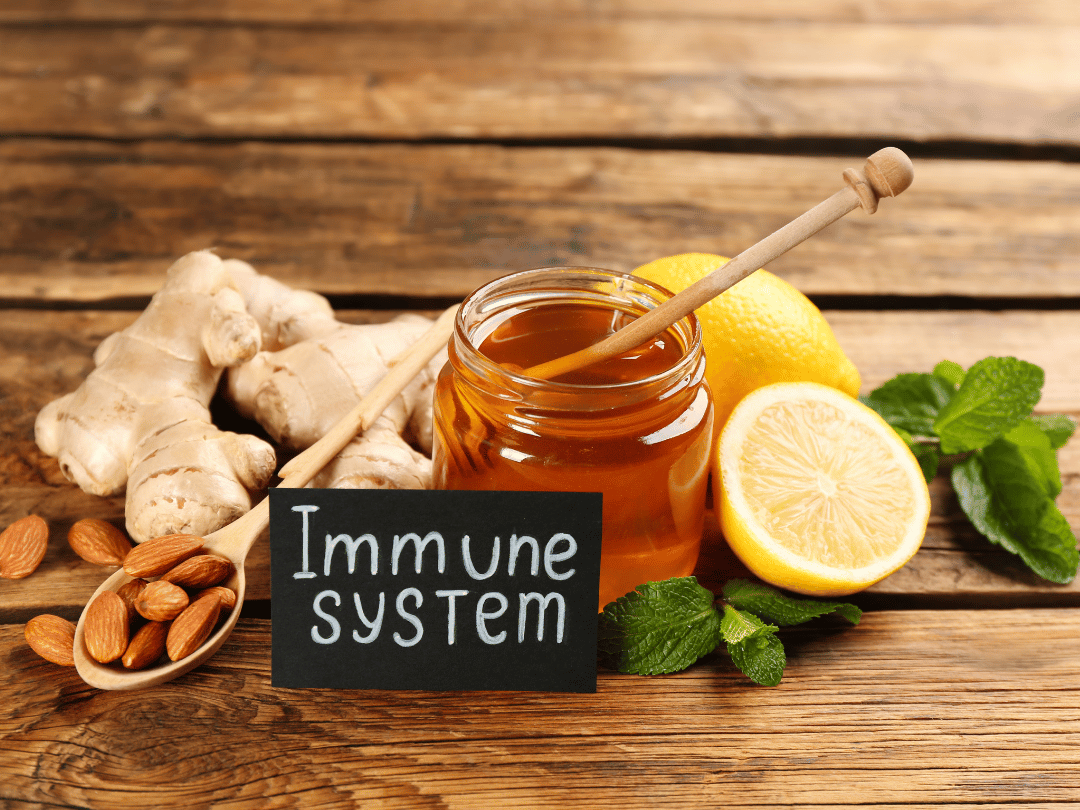
Turmeric is probably the best-known anti-inflammatory and is commonly used for osteoarthritis and irritable bowel syndrome. Other spices like ginger, garlic, cumin, clove and even chili peppers are anti-inflammatory as well as antimicrobial. Culinary herbs like oregano, thyme, chives, and cilantro, to name just a few, all help fight microbes and lower inflammation as well.
To quote Hippocrates: “Just as food causes chronic disease, it can be the most powerful cure”.
Disclaimer:
This information is for educational purposes only and is not a substitute for professional medical advice, diagnosis, or treatment. Always consult your doctor before starting any new health regimen. Remember you are responsible for your health decisions and outcomes.